How to Sell an Inherited House Without the Stress
When a loved one passes away and leaves you a home, the mix of grief and financial responsibility can feel overwhelming. You are not alone. Many heirs find themselves holding an inherited property they never asked for, in a city they do not live in, with repairs they cannot afford. The question becomes how to sell inherited house without sinking into debt or family arguments.
The process is rarely straightforward. Between probate court, outstanding debts, and the emotional weight of clearing out a parent's belongings, selling an estate can test your patience. But with the right approach, you can move through it cleanly and get back to your own life.
Start With the Legal Foundation
Before you even think about listing the home, you need to sort out who actually owns it. If the deceased had a will, the property deed usually transfers to the named heirs through probate court. If there is no will, state law determines who inherits. Either way, you cannot sell until the court formally appoints an executor or administrator and clears title.
Probate takes time. In some states it can drag on for months. During that period, the house sits empty, utilities run, and property taxes accumulate. If the deceased owed money on the mortgage, those payments still need to be made. Miss enough and the lender could start foreclosure proceedings against the estate.
Understand What You Are Working With
Once the legal dust settles, you need a realistic picture of the home's condition. An inherited property often comes with deferred maintenance. Roofs leak, HVAC systems fail, and appliances are decades old. Even if the house looks fine on the surface, a home inspection can reveal costly problems hiding in the crawlspace or behind the walls.

Getting a home inspection early helps you decide your next move. If the renovation costs are modest and you have the cash to cover them, you might choose to fix up the house and list it on the multiple listing service for top dollar. But if the repairs are extensive or you simply do not have the time to manage contractors from across the country, selling as-is becomes the smarter path.
The Traditional Route: Listing With an Agent
Working with a real estate agent to sell the house on the open market is the most common approach. An agent will help you price the home based on market value, stage the property, and market it through Zillow, Realtor.com, and other channels. You pay a commission, typically 5 to 6 percent of the sale price, split between the buyer's agent and your own.
This route works well when the house is in decent shape and you are not in a rush. But it comes with hidden costs. You will likely need to make cosmetic repairs, clean out the entire property, and keep it show-ready for weeks or months. Meanwhile, you still carry the carrying costs: mortgage payments, insurance, utilities, property taxes, and possibly HOA fees. If the house does not sell quickly, those costs eat into your net proceeds.
There is also the emotional toll. Every open house and showing forces you to relive memories. Strangers walk through rooms where your family celebrated holidays. Some buyers will lowball you, hoping you are desperate. Others will walk away after a home inspection reveals a cracked foundation or outdated wiring.
The Faster Path: Selling for Cash As-Is
Many homeowners in this situation choose to sell inherited house directly to a cash buyer. A cash offer means you skip the listing process, the agent commissions, and the uncertainty of waiting for a buyer who needs financing. You sell the property exactly as it stands, no repairs required.
Cash buyers purchase homes in any condition. They handle the cleanout, the paperwork, and the closing process. You do not need to worry about a home inspection killing the deal because the buyer is already aware of the home's condition and is not asking for concessions. The transaction typically closes in a matter of days or a few weeks, not months.
This approach is especially useful if the inherited property has a tax lien against it, or if the estate has debts that need to be paid quickly. A cash sale provides immediate liquidity. You can settle the estate, pay off outstanding obligations, and distribute the remaining equity to the heirs without dragging the process out.

Weighing the Trade-Offs
Selling for cash almost always means accepting a price below market value. The buyer takes on the risk of unknown repairs and carries the cost of holding the property until they resell it. In return, you get speed and certainty. There is no chance the deal falls through because the buyer's financing falls apart or the appraisal comes in low.
If the house has significant equity and you are not under pressure to sell quickly, the traditional route may yield a higher net amount. But you need to factor in the real costs: real estate agent commissions, closing costs, repair expenses, and the carrying costs while the house sits on the market. A cash offer can look smaller on paper but often puts more money in your pocket after all the deductions.
Tax Considerations You Cannot Ignore
When you sell an inherited property, the tax basis is typically "stepped up" to the market value on the date of the original owner's death. That means you generally only pay capital gains tax on the appreciation that occurs after you inherit the home, not on the total gain from the original purchase price. This can be a major tax advantage.
Still, if the property has appreciated significantly between the date of death and your sale, you may owe capital gains tax on that increase. The IRS also allows a primary residence exclusion if you live in the home for two of the five years before the sale, but that rarely applies to inherited homes that are not your personal residence. Consult a tax professional or a title company that handles estate transactions to understand your specific liability.
The Emotional Side of Letting Go
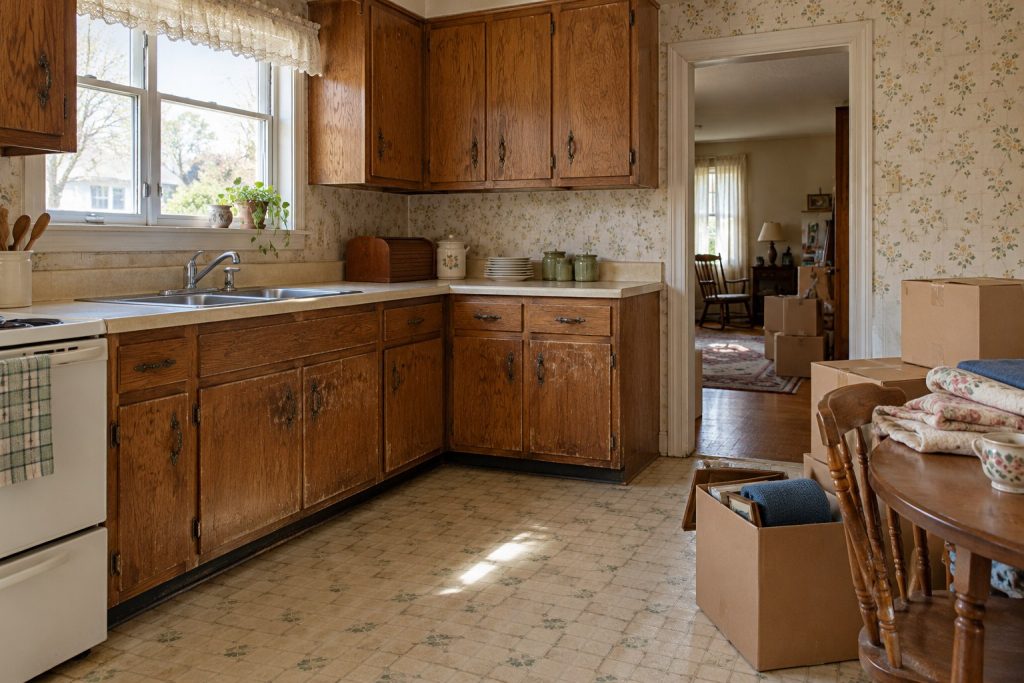
One thing no one warns you about is how hard it can be to let go of a family home. The house holds decades of memories. Sorting through boxes, deciding what to keep and what to donate, and eventually handing the keys to a stranger can stir up feelings you did not expect.
If the thought of an estate sale or cleaning out the house feels overwhelming, a cash buyer can take that burden off your shoulders. Many will buy the home with all the contents included, so you can walk away with nothing but the check. That simplicity is worth something real.
Practical Steps to Take Right Now
- Gather the documents: death certificate, will or trust, property deed, and any existing mortgage statements.
- Open an estate bank account to handle incoming funds and pay outstanding bills.
- Contact the mortgage lender and let them know the owner has passed away. Ask about forbearance options if needed.
- Get a home inspection or at least a walkthrough estimate so you know what you are dealing with.
- Decide whether to list with a real estate agent or pursue a cash offer. Compare timelines and net proceeds.
Final Thoughts
No two inheritances are the same. Some homes are pristine and move fast on the open market. Others are in rough shape and sit for months. The best decision depends on your timeline, your finances, and your emotional readiness to let go.
If you need to sell inherited house quickly and without hassle, a cash sale is worth serious consideration. It removes the guesswork, the carrying costs, and the endless back-and-forth. You get a clean exit and the freedom to move forward.
Take your time, talk to professionals, and choose the path that fits your situation. The house is just a building. The memories live with you.